Loading yatra details…
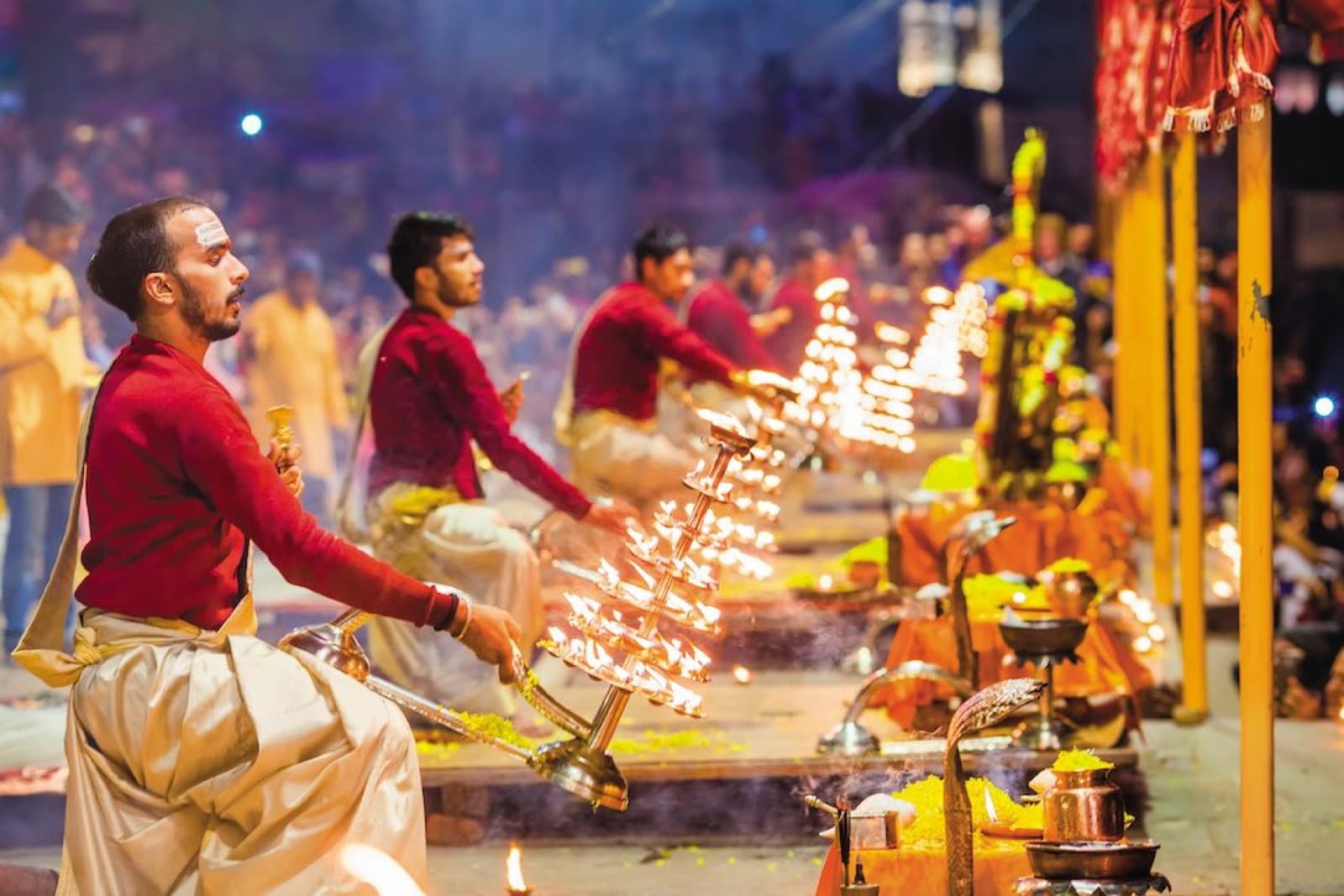
ॐ नमः शिवाय
Sacred Yatra
Kashi — The City of Light
Five days in Moksha Puri, held for a small group. Sadhana before the city wakes, darshan at sanctums most visitors walk past, and long quiet hours on the Ganga.
- 5 days · 4 nights
- 12 – 16 November 2026
- A small group
- Daily sadhana & chanting
- 7-Day Guided Preparation
एकदृष्ट्याOverview
At a glance
Dates, group size, contribution, and the daily rhythm of the yatra.
- CircuitVaranasi, in and out
- Duration5 days · 4 nights
- Dates12 – 16 November 2026
- The groupA small circle of seekers, with the Sadhana Saarthi team
- The InvitationConfirmed after a 1:1 conversation
- ContributionStarting from ₹42,500
- Kashi SadhanaDaily yogic practices
- Within the KshetraA stay rooted in the sacred heart of Kashi
॥ काश्यां हि काशते काशी ॥
— Kashi is that which shines.
क्षेत्रवासःWhere You Stay
A Yatra Within the Kshetra
Every yatra needs a place to return to. Here is ours.
Where you stay becomes part of the Yatra.
We have chosen a rare stay within the sacred Shri Kashi Vishwanath Temple Corridor, in the heart of Kashi.
Wake up within Kashi
The corridor connects the Kashi Vishwanath Temple with Lalita Ghat and the Ganga, placing the sacred heart of Kashi within walking reach.
Experience Kashi in its most sacred hours
Some moments in Kashi belong to the hours before sunrise.
From the stillness of the night to the first light over the Ganga, the Yatra can unfold in the natural rhythm of Kashi.
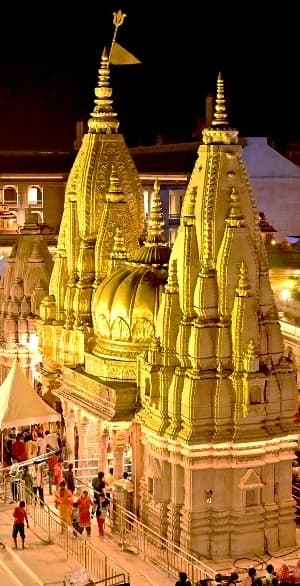
The sacred heart around us
Within walking distance:
- Shri Kashi Vishwanath Jyotirlinga
- Lalita Ghat & Nepali Mandir
- Annapurna Devi Mandir
- Vishalakshi Temple
- Manikarnika Ghat
- Dashashwamedh Ghat
A stay chosen with intention
Temple. Ganga. Sadhana. Silence.
A place to rest.
A place to prepare.
A place to experience Kashi.
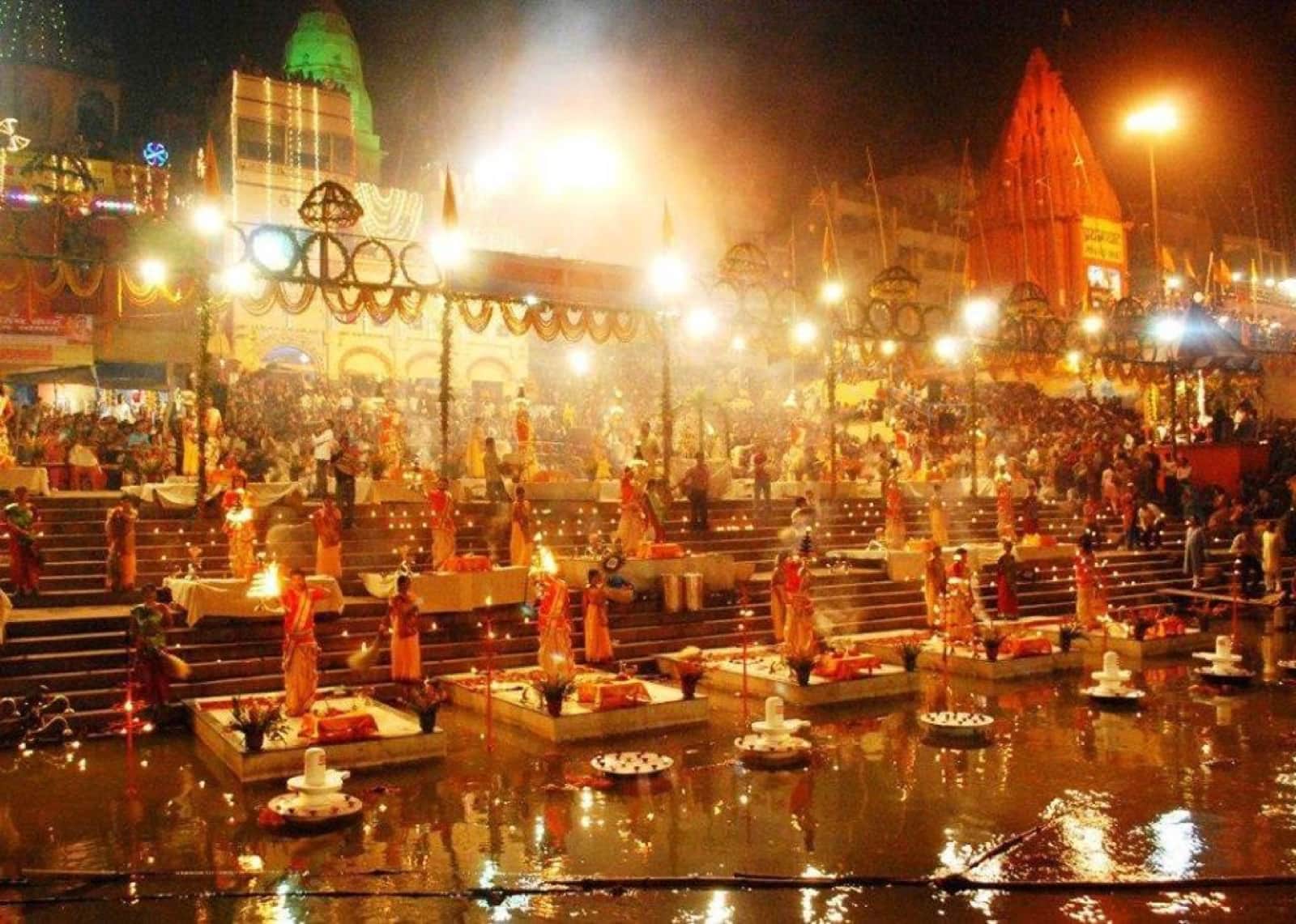
Kashi was never consecrated to be sightseen. It was built to be entered.
विशेषःHow we hold it
What makes this different
Five decisions that shape every day of the journey.
Visiting Kashi, or entering it
Visiting on your own
- Hours in traffic between one sight and the next
- Queues, crowds, and a guide reciting dates
- Sanctums visited without knowing what you are sitting before
- Going home having seen a great deal and received very little
Entering it on this yatra
- A stay inside the Kshetra, so the sacred spaces are a walk away
- Context before every darshan, and time to sit rather than tick off
- Daily sadhana that settles you before the city does
- A small sangha that moves through the lanes as one
A small group, not a crowd
The lanes of Kashi are narrow, ancient, and intensely alive. A large group moves through them as a disruption; a small one moves as a single unit — quietly, quickly, and without losing anyone. Fewer people also means the guides can actually attend to each person.
Sadhana before the city wakes
Every day opens in Brahma muhurta with grounding asana, pranayama, and chanting. This is not a bonus activity. It is what makes the rest of the day land — the nervous system needs to be settled before it can register anything subtle.
Sanctums beyond the queue
Alongside the principal abodes, we sit at smaller, fiercely charged shrines that most itineraries never mention — the ones held in the tradition for their potency rather than their footfall.
Along the Ganga
Time along the river is part of the rhythm of the days — unhurried, and mostly kept in silence. Here the Ganga is not a backdrop to photograph, but part of how the city is received.
Context before darshan
Before each temple we sit down and go through why the sanctum was placed where it is, how the linga is understood to be energised, and how to conduct yourself inside. You walk in prepared instead of bewildered.
व्यवस्था
What we take care of
Everything held for the group across the four nights, and what stays with you.
What's included
- Four nights of clean, quiet, comfortable accommodation within walking reach of the sacred precincts
- Wholesome sattvic vegetarian breakfast, lunch, and dinner, planned to support daily practice
- All internal transfers, e-rickshaws, and private boat rides dedicated to our group
- Daily Classical Hatha Yoga and pranayama sessions led by certified teachers
- Temple darshan coordination, organised entries, and a context session before every principal shrine
- Sadhana guide notes and a yatra essentials kit
- Two Sadhana Saarthi guides with the group throughout the five days
What's not included
- Flights or train tickets to and from Varanasi
- Any food or snacks outside the planned meal schedule
- Temple donations, dakshina, and personal pujas or rituals
- Personal expenses, shopping, laundry, and tips
- Travel insurance and any medical costs
- Anything arising from delays, weather, or changes outside our control
समर्पणम्
Contribution
One offering holds the whole yatra: your stay, all meals, every transfer and daily sadhana in Kashi.
संवादःAdmission
Why there is a 1:1 call
A yatra is a shared field. One person out of step with the group changes the experience for everyone else — which is why every seat, reserved or not, is confirmed only after a 1:1 call.
Apply, or reserve your seat
Fill the short form at the bottom of this page. Apply with no payment, or hold your seat now with ₹5,000, adjusted against your contribution. Either way, the next step is the same.
A 15-minute alignment call
One of the facilitators calls you. We talk through intention, physical readiness, and what the five days actually ask of you — and you get to ask us anything before committing to a small group you cannot leave mid-way.
Invitation and confirmation
If it is a fit on both sides, you confirm your seat by paying the contribution, or the balance if you reserved. Seats are held in the order payment is received.
अधिकारी
Who this is for — and who it is not
We would rather say this plainly now than have someone find out on day three.
A sangha, not a tour group
A small circle of sincere people who want to meet Kashi beneath the surface. A space for:
- Shared silence
- Satsang
- Reflection
- Honest conversation
- Connection
Who this yatra is for
- Seekers willing to keep a group discipline — early mornings, silence when asked, and a shared rhythm
- Those who would rather sit at four places properly than see fourteen quickly
- Anyone with an existing practice, however basic, who wants to take it somewhere that will test it
- People comfortable with intensity — crowds, cremation grounds, and long days on foot
- First-time visitors to Kashi who do not want to arrive as tourists
Who it is not for
- Anyone looking for a comfortable holiday, a photography trip, or a flexible personal schedule
- Those who would find cremation grounds, crowds, or narrow lanes genuinely distressing
- People unable to walk two to three kilometres a day on uneven steps and stone
- Anyone unwilling to attend the morning practice or the evening circles
पूर्वसाधनाBefore you arrive
7-Day Online Guided Preparation
The yatra begins before you reach Kashi.
For the seven days before we meet in Varanasi, the group gathers online with the Sadhana Saarthi team — for context, basic yogic practice, and inner orientation. This is not a logistics briefing or a general orientation call.
It is the first stretch of the yatra itself. By the time you arrive at the ghats, Kashi is already a place you have started to enter.
The significance of Kashi
How the city was conceived, and how its sacred geography is meant to be read rather than merely seen.
The temples, the Ganga, the ghats
Context on the sanctums, the river, and the ghats we will move among — so each darshan arrives with understanding behind it.
The living traditions of Kashi
An introduction to the practices and observances the city has carried for centuries, and how we will meet them on the journey.
Basic yogic practice
Simple asana, pranayama, and stillness to prepare the body and steady the system before the days ahead.
Approaching the yatra consciously
How to carry yourself at the sanctums and the ghats — with attention, restraint, and respect for the space and the people in it.
Practical preparation for the five days
What to carry, how to pace five full days on foot, and how to arrive ready rather than adjusting on the move.
Kashi Sankalpa
Setting a clear intention before we enter the city, so the journey has a spine that is yours.
The seven days are part of the commitment, not an optional extra. They are what lets the five days in Kashi land as a yatra rather than a visit.
काशीमाहात्म्यम्The vision
Why this yatra matters
Kashi is not a place one sees. It is a place one submits to, and then finds out what is left.
A city built as an instrument
In the yogic tradition, Kashi is not described as a settlement that grew. It is described as something that was made. Observing the way the cosmos unfolds from within itself, the ancient yogis attempted the same thing at human scale — a city laid out as a yantra, a geometric instrument, meant to bring the microcosm of a human being into contact with the macrocosm.
The number that keeps returning in that lore is 72,000. Kashi was consecrated with 72,000 shrines, corresponding to the 72,000 nadis — the pathways along which prana moves in the human system. In effect, the city was built as a mega human body: walk it correctly, and something in you is meant to find its counterpart in it.
Whether or not one accepts the account, it explains the attitude the city has always asked for. Kashi was never designed to be looked at. It was designed to be entered.
Masters who walked these lanes
For as long as there are records, Kashi has drawn those who were seeking, and those who had found. Some of the names the city still carries:
- Adi ShankaracharyaTaught in Kashi, where the Manisha Panchakam is set.
- KabirThe weaver-poet of Kashi, whose dohas are still sung in its lanes.
- Sant RavidasBorn in Kashi; his verses are held in the Guru Granth Sahib.
- Goswami TulsidasLived and wrote by the ghat that now carries his name.
- Lahiri MahasayaThe householder yogi who taught Kriya Yoga from his home in Kashi.
- Trailanga SwamiLived for decades on the ghats, in silence and austerity.
- Anandamayi MaHer ashram still stands at Bhadaini, above the Ganga.
Their presence is part of what you walk into.
The epicentre of seeking
For thousands of years this was the doorway that seekers came through. Gautama Buddha delivered his first teaching here, at Sarnath. Mathematicians, grammarians, poets, tantrics, Vedantins, and wandering ascetics all lived and argued within the same few square kilometres.
There is a line in the tradition that Nalanda — the greatest centre of learning the subcontinent produced — was only a drop of knowledge that fell out of Kashi. It is not a claim about buildings. It is a claim about how much was alive here at once.
Shiva's winter place
The legend says Shiva kept Kashi as his winter home. He sent his people ahead to build it, one batch after another, and none of them came back — the city was simply too fantastic to leave. When it was finally finished, he came, saw what had been made, and stayed.
It is a story about construction taking a very long time, told the way the tradition tells such things. It is also the reason the city carries the name Avimukta — the place never abandoned by Shiva.
What remains
We should be honest about this. Kashi was razed three times over the last several centuries. How much of the original geometry survives intact is genuinely a question mark, and anyone who tells you the instrument is fully functional is guessing.
What is not in question is that something of it is still active. You feel it at specific spots, at specific hours, and it does not require belief to notice. We plan the five days around those spots and those hours, rather than around a checklist of monuments.
Why this is not a tour
Most people arrive in Varanasi as visitors — hurried through the galis, shared boats, long queues, a guide reciting dates. That is a perfectly reasonable way to see a city. It is a poor way to receive this one.
This yatra is built the other way round. A small group, a fixed daily practice, context before every sanctum so you know what you are sitting in front of, and enough unhurried time at each place for the visit to become something other than a visit.
सज्जताPreparation
Preparing to arrive
Clothing, practice essentials, pace, and how we conduct ourselves inside the sanctums.
Traditional, modest clothing in natural, breathable fabric — cotton or linen, preferably white or muted earth tones. It supports both temple entry and sitting practice.
- Two or three sets of loose kurta-pyjama, dhoti, or salwar and full-length skirts
- A shawl or angavastram for the sanctums and for cold mornings on the water
- Slip-on footwear — you will be taking it off many times a day
- One warm layer; November mornings by the river are colder than people expect
- A separate set of clothes for the snana at Assi Ghat, and a quick-dry towel
प्रश्नोत्तरम्FAQ
Before you apply
Practice, group size, intensity, food, travel, and what the contribution covers.
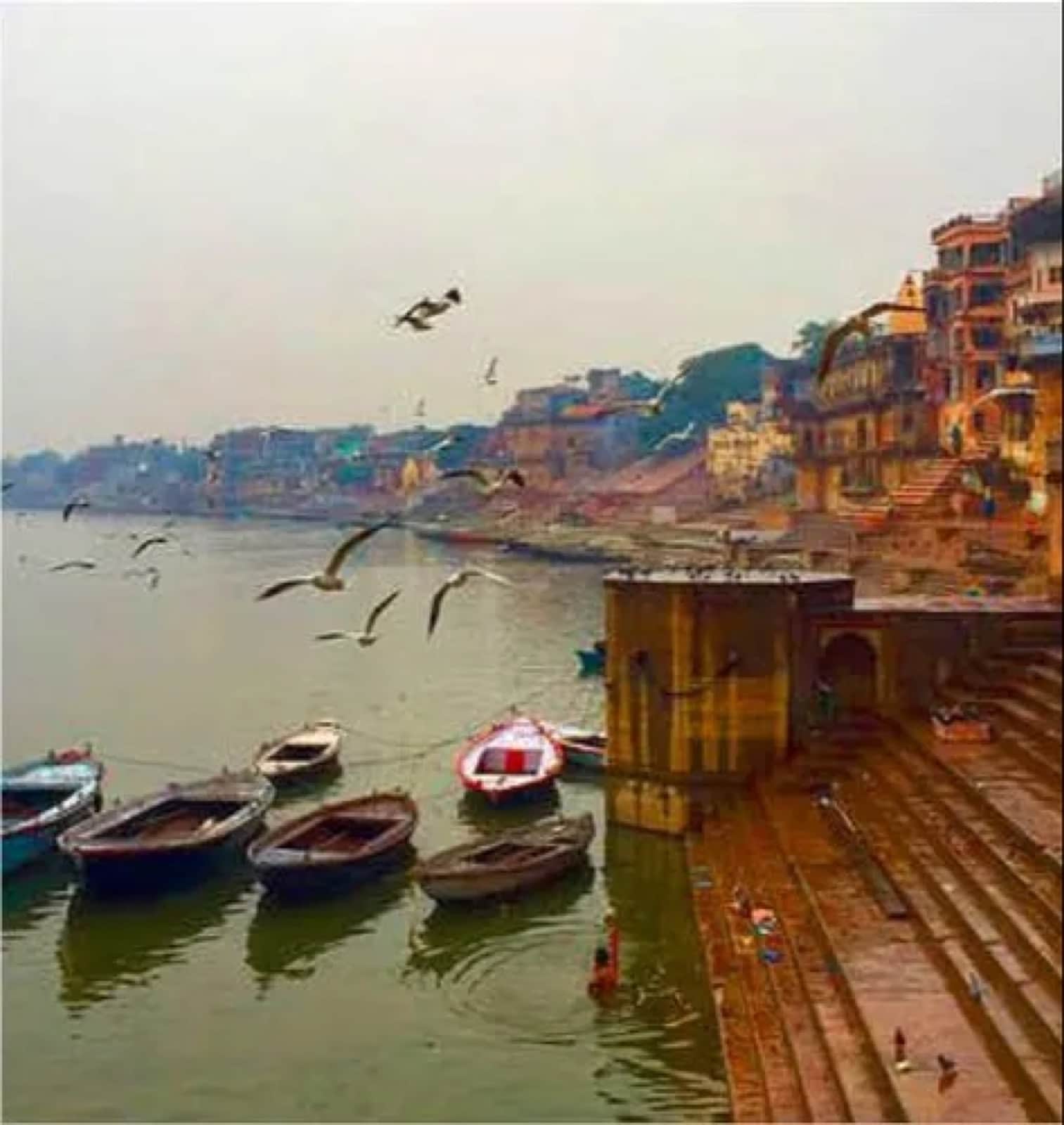
Gallery
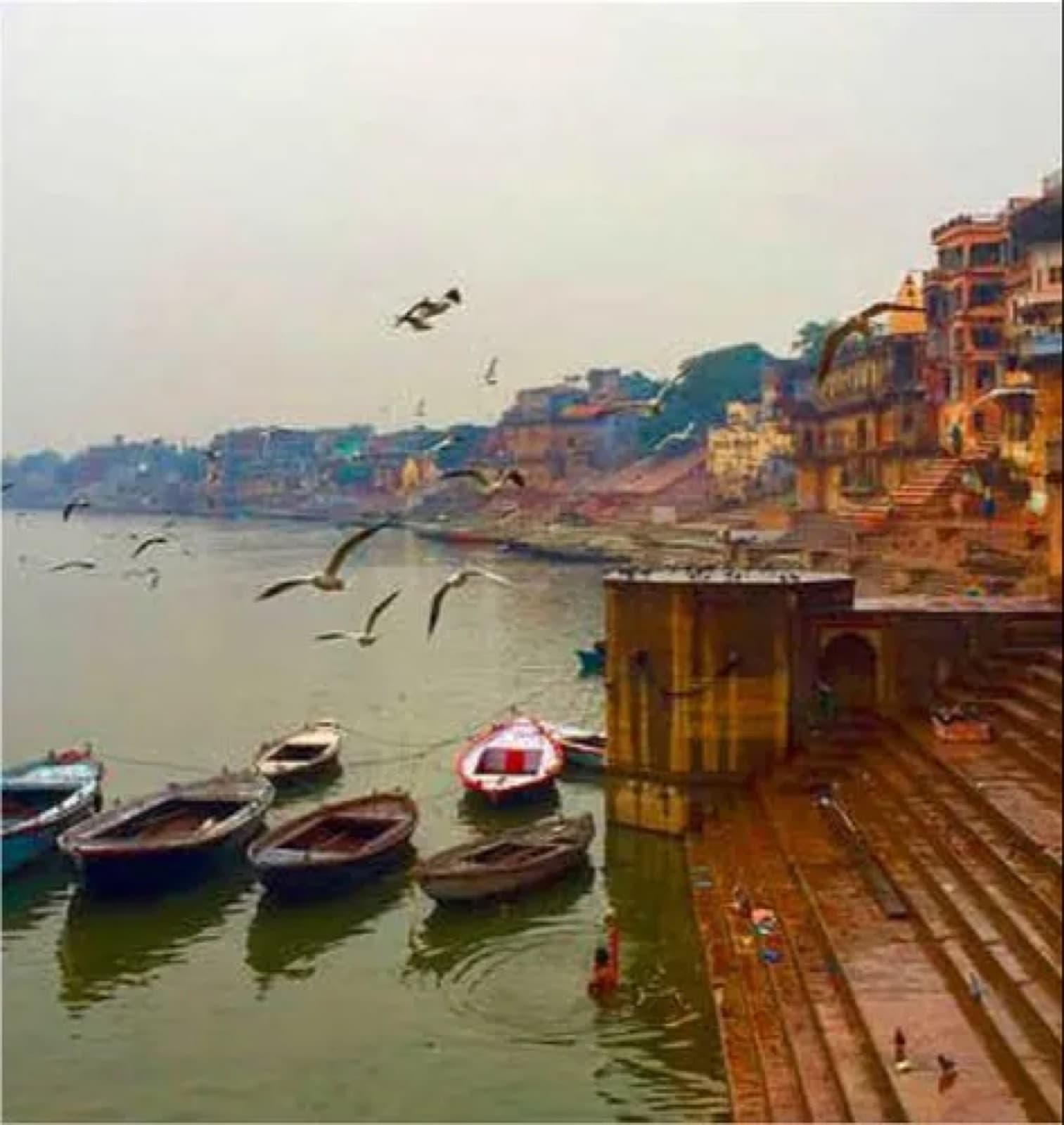
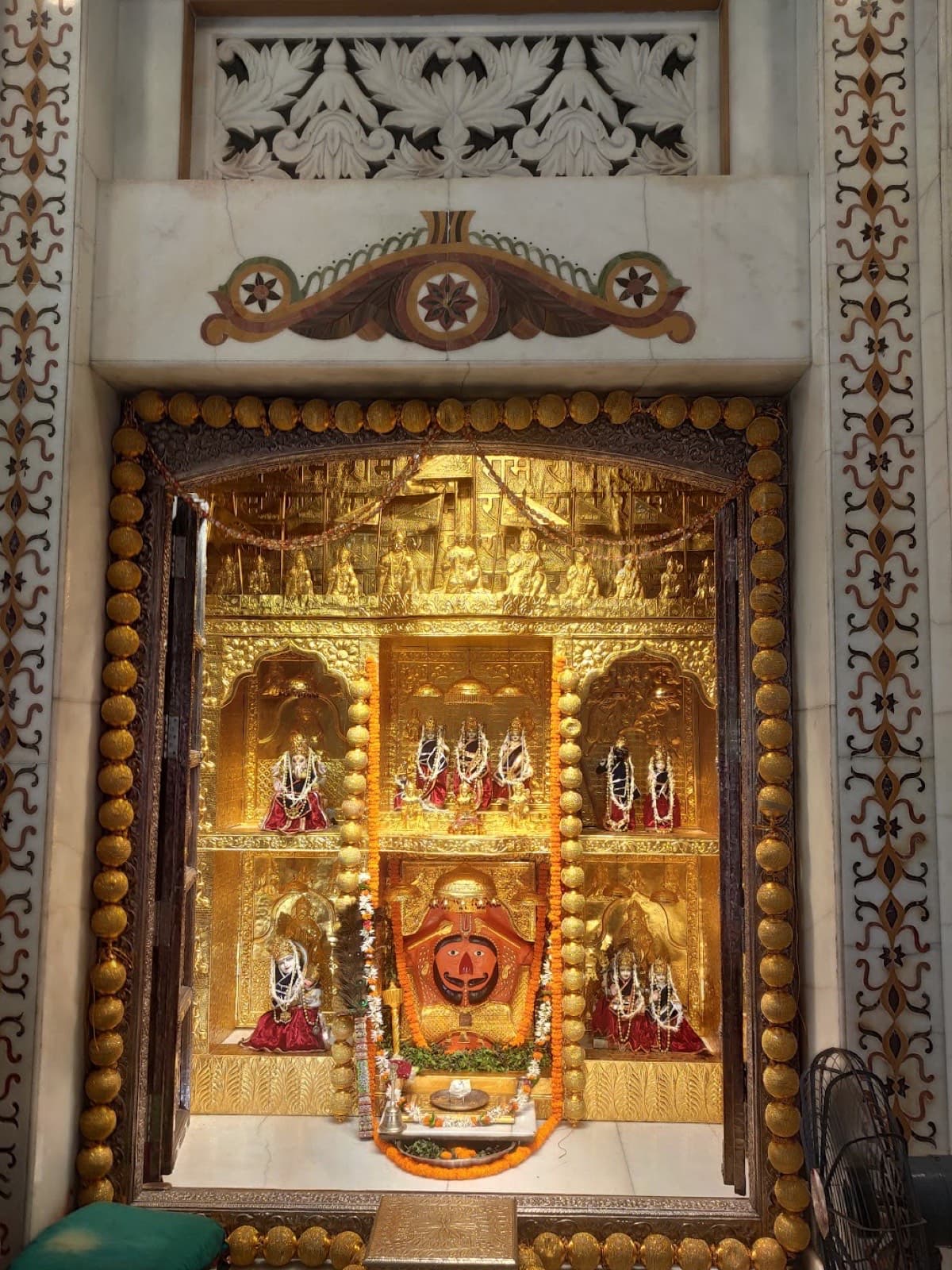
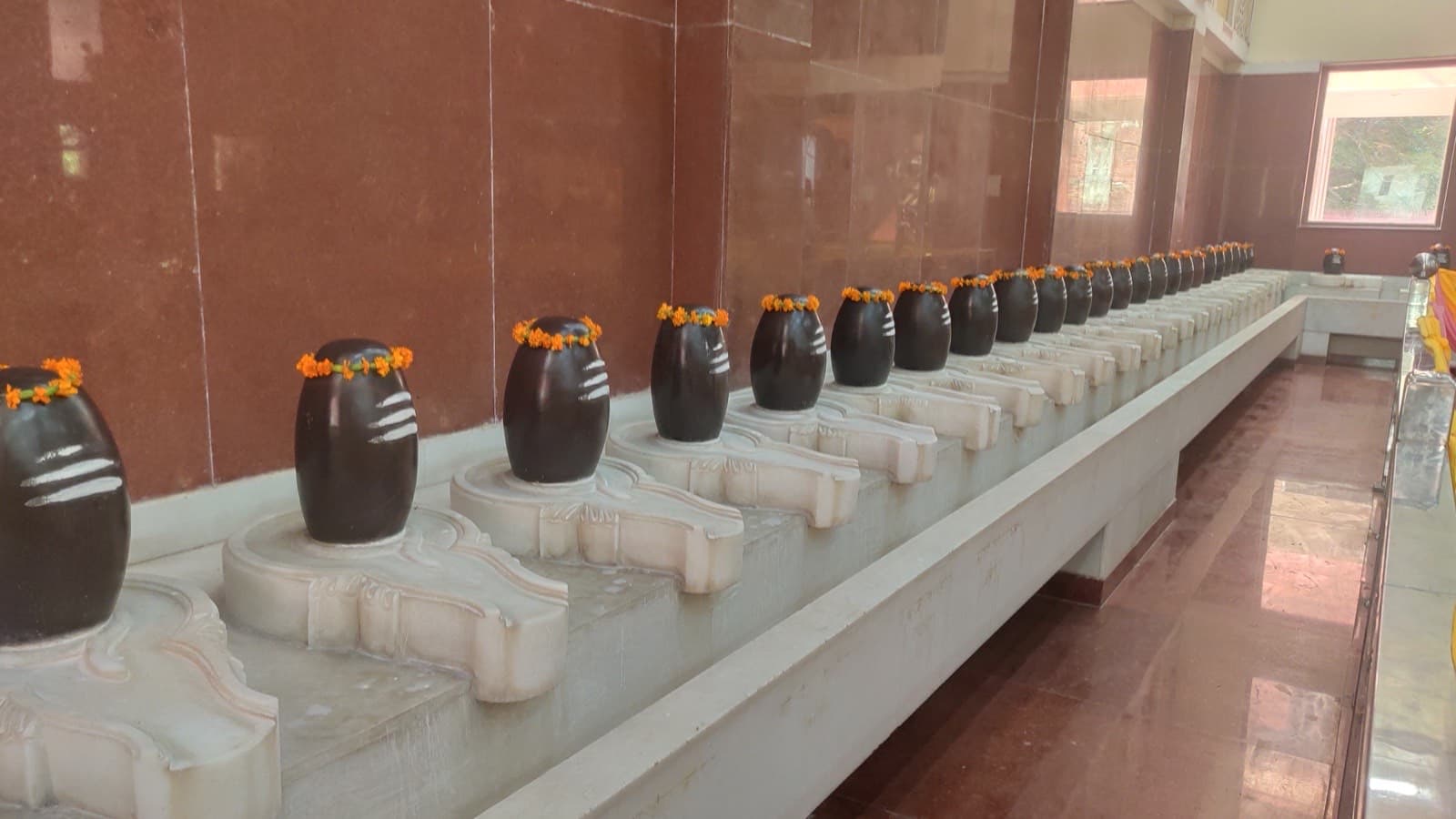
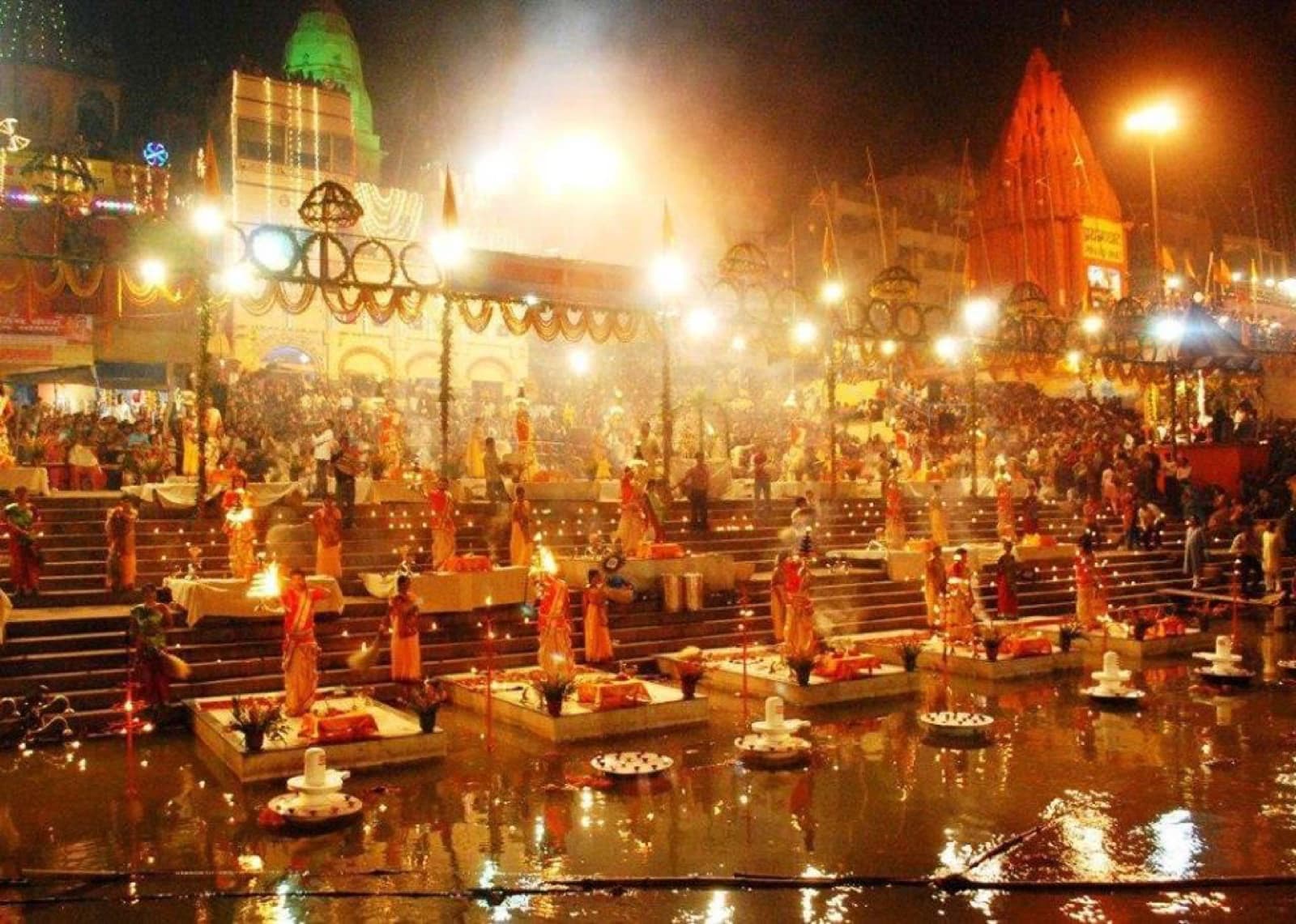
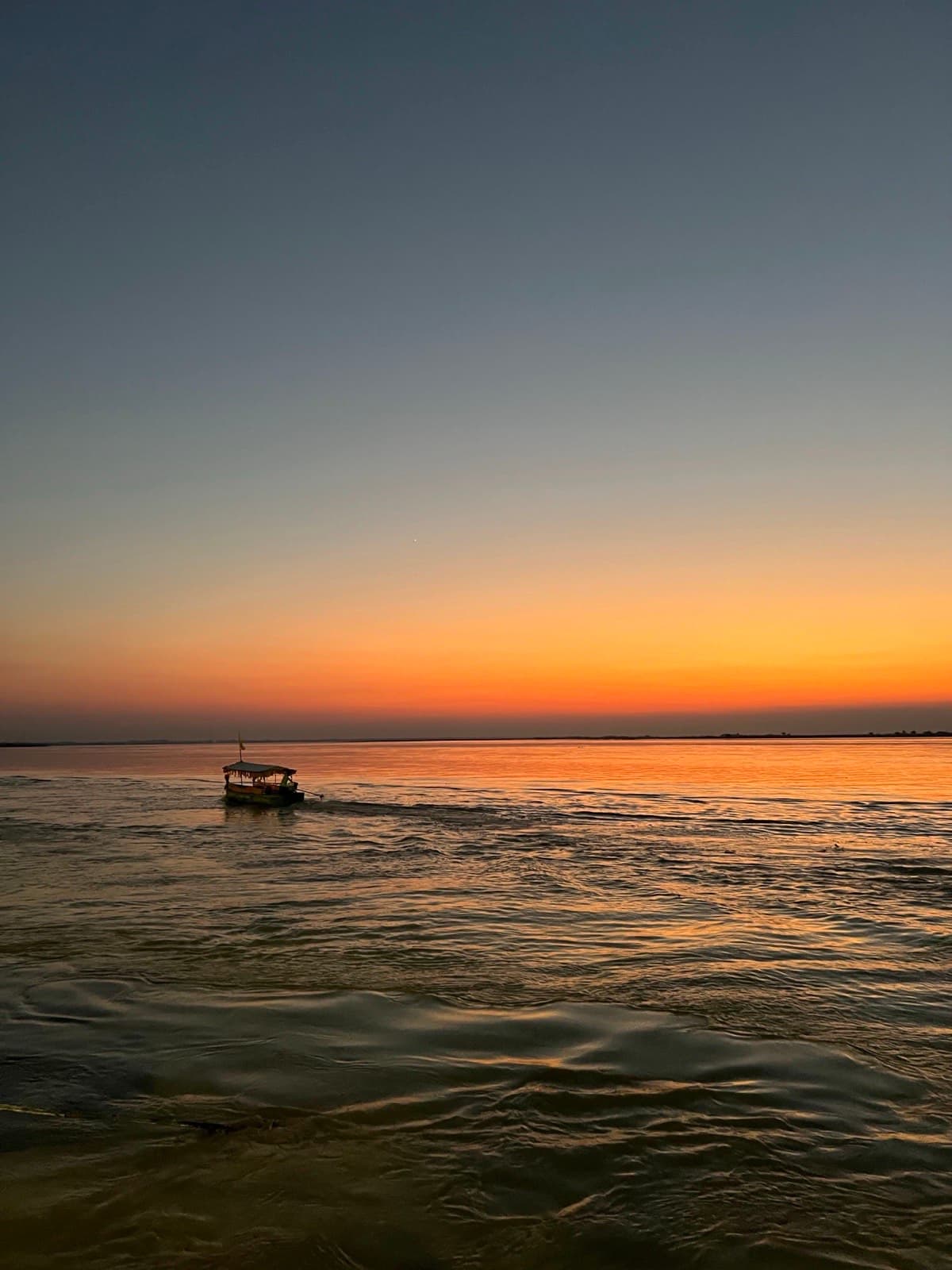
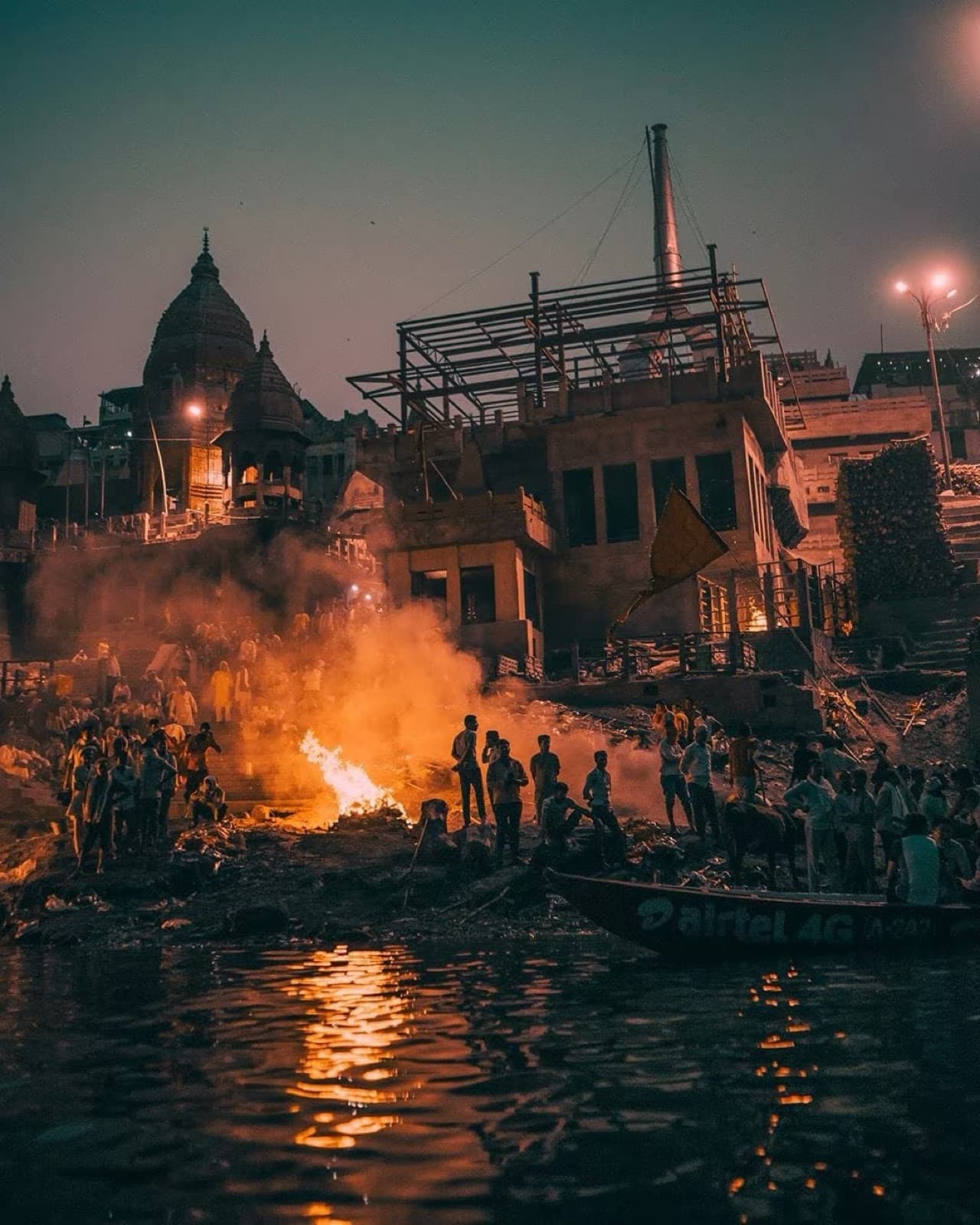
Glimpses of the city
A verse from the Kashi Khanda
॥ अविमुक्तं परं ज्ञानम् अविमुक्तं परं पदम् ॥
— Avimukta is the supreme knowledge. Avimukta is the supreme state.
Kashi Khanda, Skanda Purana
Avimukta — never abandoned. It is the oldest name the city carries, and the one that says the most about why people keep coming back to it.
There are places one visits, and there are places one allows to work upon them. Kashi belongs to the latter.
Going to Varanasi on your own? Read our guide to Kashi for seekers
सङ्कल्पःJoin the yatra
Are you called to the eternal yatra?
12 – 16 November 2026 · Varanasi · a small group
Choose how you would like to begin. Either way, one of us calls you personally before your seat is confirmed.